
Beginner AI Courses
Starting your AI journey is one of the most rewarding decisions you can make in 2026. Beginner AI courses are designed for learners with no prior machine learning experience. You will build a solid foundation in key concepts like supervised learning, neural networks, and data preprocessing. Many of these courses use Python, but several require no coding at all. Whether you are a student, career switcher, or simply curious about how AI works, these courses will give you the vocabulary, intuition, and hands-on practice to move confidently into more advanced material.
All Beginner Courses
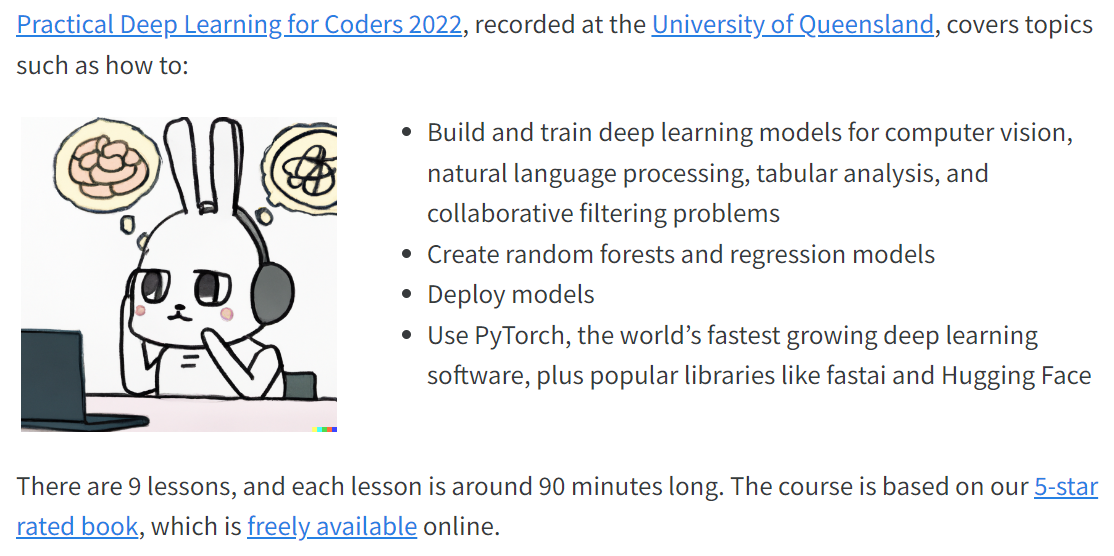
Practical Deep Learning for Coders
fast.ai

Introduction to Deep Learning
MIT

Machine Learning Crash Course
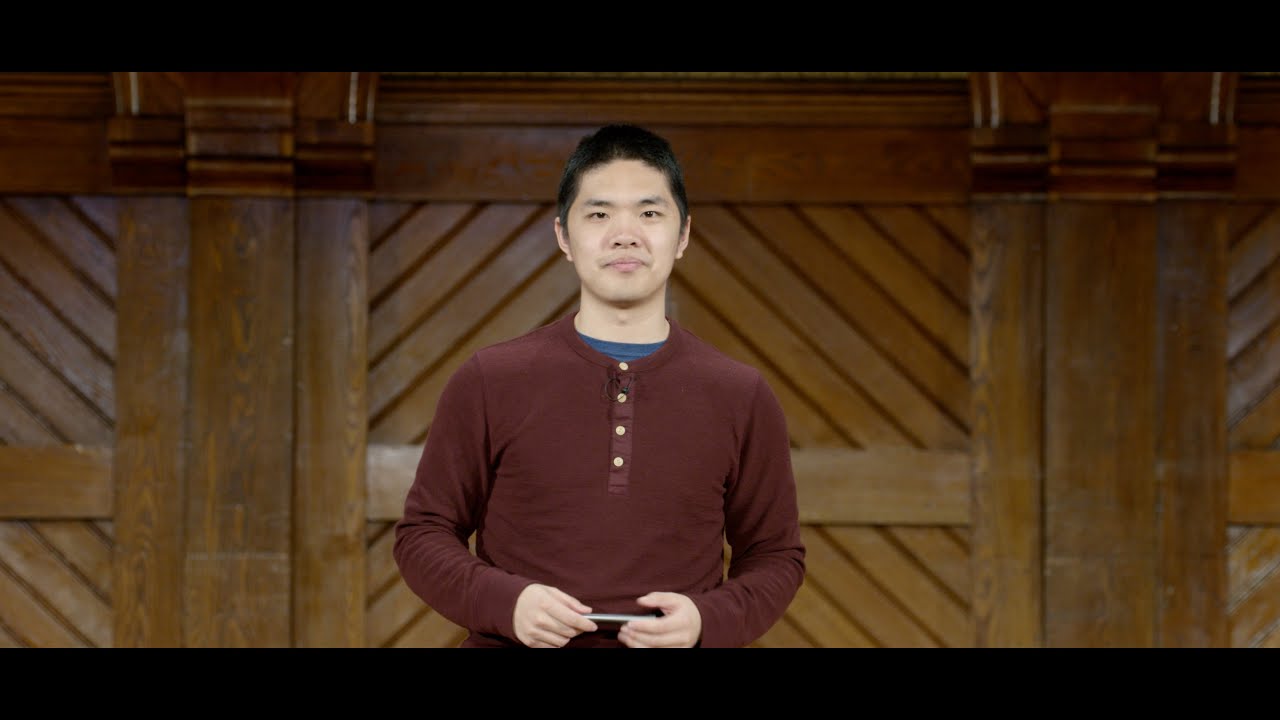
CS50's Introduction to Artificial Intelligence with Python
Harvard / edX

Intro to Machine Learning
Kaggle
Intro to Deep Learning
Kaggle

Intro to Machine Learning with PyTorch
Udacity
ChatGPT Prompt Engineering for Developers
DeepLearning.AI
Machine Learning Specialization
Coursera

Azure AI Fundamentals
Microsoft Learn

Elements of AI
University of Helsinki

AI For Everyone
Coursera

Google Data Analytics Professional Certificate
Coursera

IBM Applied AI Professional Certificate
Coursera

AI Foundations for Everyone Specialization
Coursera

Mathematics for Machine Learning and Data Science Specialization
Coursera

Python Basics for Data Science
edX
Deep Learning Fundamentals with Keras
edX

Machine Learning A-Z: AI, Python & R
Udemy

Python for Data Science and Machine Learning Bootcamp
Udemy

Stable Diffusion: Complete Guide to AI Image Generation
Udemy
The Complete ChatGPT Guide: Learn Midjourney, ChatGPT & More
Udemy

Complete Machine Learning & Data Science Bootcamp 2024
Udemy
Pair Programming with a Large Language Model
DeepLearning.AI

Introduction to Generative AI Learning Path
Google Cloud

Intro to TensorFlow for Deep Learning

Google Data Analytics Certificate
Google AI Essentials
Google's Python Class
Pandas
Kaggle
Data Visualization
Kaggle
Intro to AI Ethics
Kaggle
Machine Learning for Beginners
Microsoft
AI for Beginners
Microsoft
Generative AI for Beginners
Microsoft
IBM AI Developer Professional Certificate
Coursera

Machine Learning with Python
Coursera

Introduction to Deep Learning & Neural Networks with Keras
Coursera

AI Programming with Python Nanodegree
Udacity

Supervised Learning with scikit-learn
DataCamp
Data Scientist with Python Career Track
DataCamp
Working with the OpenAI API
DataCamp

Artificial Intelligence Foundations: Machine Learning
LinkedIn Learning
Machine Learning with Python: Foundations
LinkedIn Learning
Introduction to Generative AI
LinkedIn Learning
Deep Learning: Getting Started
LinkedIn Learning

Prompt Engineering Specialization
Coursera
Open Source Models with Hugging Face
DeepLearning.AI

Google Cloud: Introduction to AI and Machine Learning
edX
Intro to SQL
Kaggle
Prompt Engineering: How to Talk to the AIs
LinkedIn Learning
Python for Data Analysis with Pandas
LinkedIn Learning
Ethics in the Age of Generative AI
LinkedIn Learning

IBM Data Science Professional Certificate
Coursera

Generative AI: Introduction and Applications
Coursera

Generative AI: Prompt Engineering Basics
Coursera
Generative AI Concepts
DataCamp

Responsible AI Principles and Practices
Microsoft Learn
Microsoft Copilot Foundations
Microsoft Learn

How Google Does Machine Learning
Coursera

Introduction to TensorFlow for AI, ML, and DL
Coursera

The Data Science Course: Complete Data Science Bootcamp
Udemy
Data Science Essentials
edX
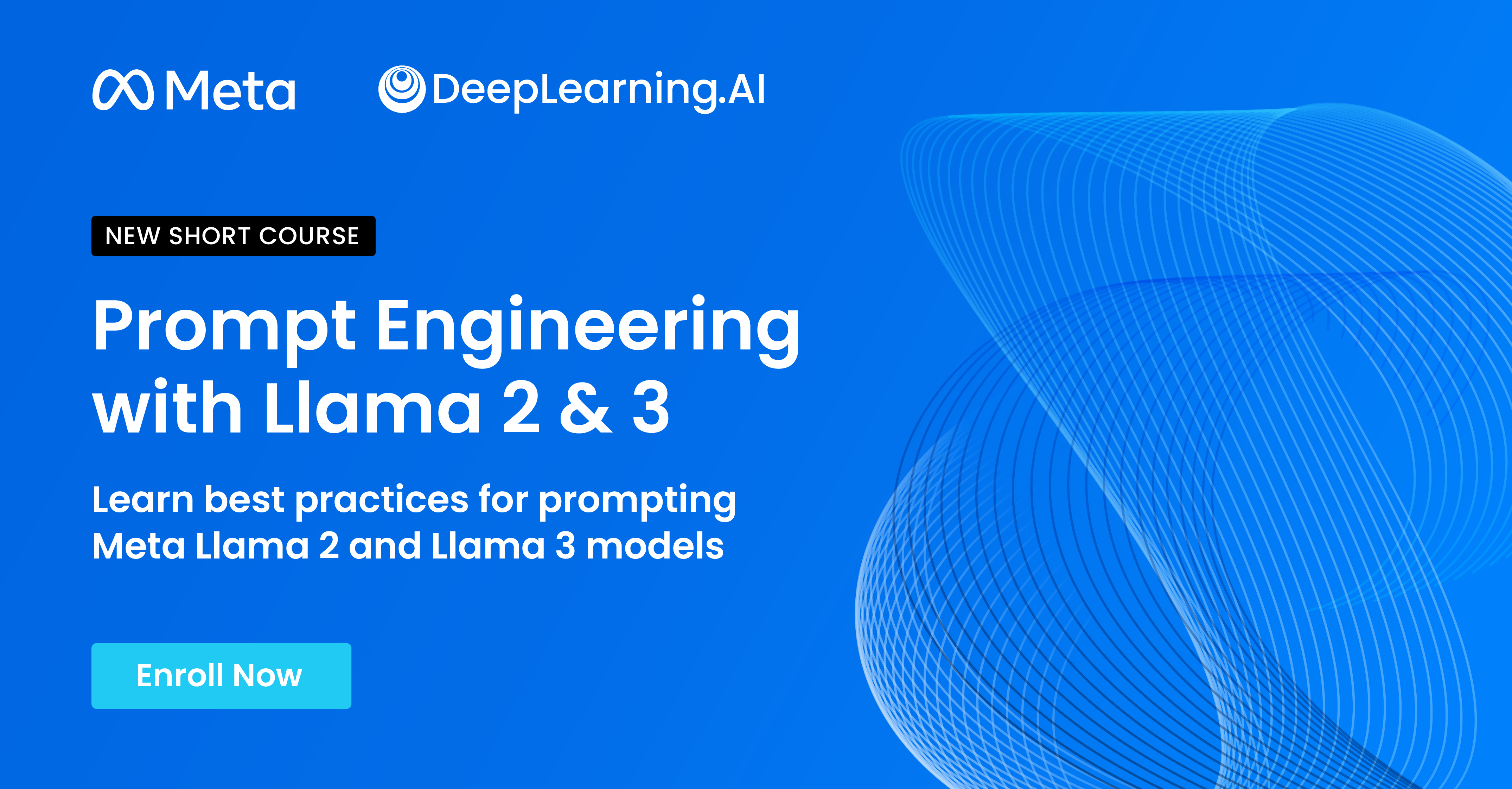
Prompt Engineering with Llama 2 & 3
DeepLearning.AI
Artificial Intelligence for Business Leaders
LinkedIn Learning
OpenCV Python For Beginners
Udemy

Responsible AI: Applying AI Principles with Google Cloud
Google Cloud

AI Product Management Specialization
Coursera
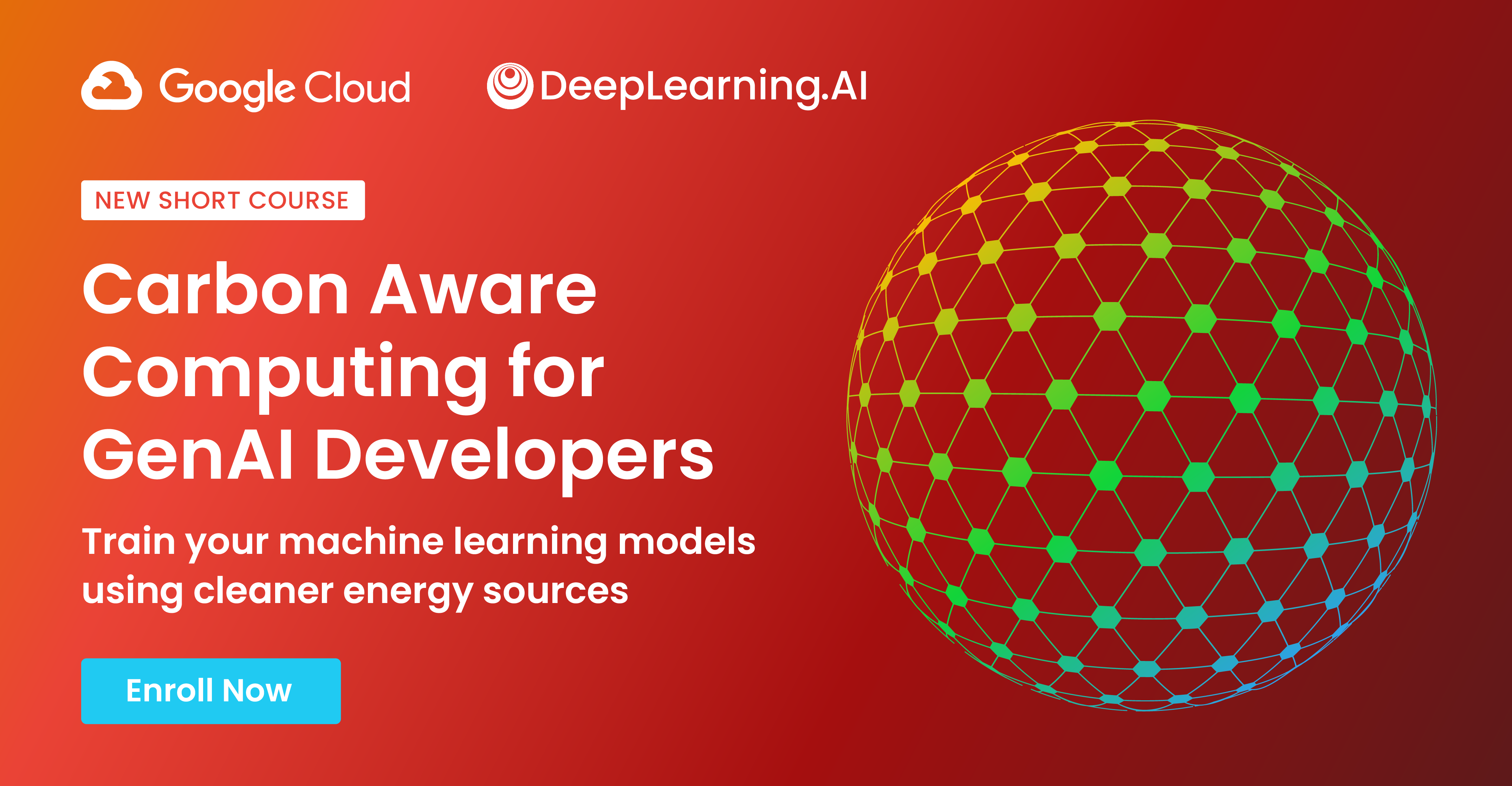
Carbon Aware Computing for GenAI Developers
DeepLearning.AI
Introduction to Generative AI Studio
Google Cloud
OpenAI Python API Bootcamp: Build AI Apps Fast
Udemy
Understanding and Applying Text Embeddings
DeepLearning.AI

Ethics of AI
University of Helsinki
Data Cleaning
Kaggle
Intro to Programming
Kaggle

Azure OpenAI Service Fundamentals
Microsoft Learn
TensorFlow: Essential Training
LinkedIn Learning
Introduction to Statistics in Python
DataCamp
Building AI Applications with Watson APIs
Coursera
AI Ethics
Coursera
Introduction to Gemini API
Google Cloud
AWS Machine Learning Foundations
Udacity
AI Fluency: Framework & Foundations
Anthropic
Anthropic's Prompt Engineering Interactive Tutorial
Anthropic
LLM University (LLMU)
Cohere
Artificial Intelligence Fundamentals
IBM SkillsBuild
AI Foundations (OpenAI Academy)
OpenAI
What to Expect at the Beginner Level
- No prerequisites required beyond basic computer literacy
- Introduction to key AI terminology and concepts
- Hands-on exercises with beginner-friendly tools
- Step-by-step guidance through foundational algorithms
- Projects that build intuition before diving into math
Recommended Learning Path
Start with a broad introduction course like Elements of AI or Google ML Crash Course to build your conceptual understanding.
Move to a hands-on coding course such as fast.ai Practical Deep Learning or CS50 AI to start building real models.
Solidify your skills by completing a structured specialization like Coursera's Machine Learning Specialization.
Frequently Asked Questions
Do I need programming experience to start?
Not necessarily. Several beginner courses like Elements of AI require no coding. However, most hands-on courses use Python. If you are new to programming, consider learning basic Python first or choosing a course that teaches it alongside AI concepts.
How long does it take to complete a beginner AI course?
Most beginner courses range from a few hours to a few months. Short courses like ChatGPT Prompt Engineering take about an hour, while comprehensive specializations like the Machine Learning Specialization take around three months at a part-time pace.
What should I learn after completing a beginner course?
After finishing a beginner course, consider an intermediate course in a specific area that interests you, such as deep learning, NLP, or computer vision. Having a project goal in mind will help guide your next steps.