
Best AI Courses for Non-Technical Professionals
You do not need a technical background to benefit from AI. In fact, some of the most impactful applications of AI in business are driven by professionals who combine domain expertise with AI tool proficiency. Whether you work in HR, operations, finance, legal, or any other field, understanding how to use AI tools like ChatGPT, Claude, and other generative AI platforms will make you more effective and efficient. These courses focus on practical applications rather than theory. You will learn prompt engineering techniques that get better results from AI assistants, discover no-code AI tools that automate repetitive tasks, and understand enough about how AI works to use it responsibly and effectively. The goal is not to become an engineer but to become an empowered user who can identify where AI adds value in your daily work.
Key AI Skills for Non-Technical Professionals
- Write effective prompts for AI assistants like ChatGPT and Claude
- Use no-code AI tools for automation and content creation
- Understand AI capabilities and limitations in business contexts
- Identify AI opportunities in your daily workflow
- Evaluate AI-generated output for accuracy and quality
- Apply AI responsibly and understand ethical considerations
How to Start Learning AI as a Non-Technical Professional
Start with ChatGPT Prompt Engineering for Developers (despite the name, it is accessible to non-technical learners) to master the fundamentals of working with AI.
Explore a general AI literacy course like Elements of AI to understand the broader landscape and concepts behind the tools you use.
Apply your skills immediately by integrating AI tools into your daily workflow, experimenting with different prompting techniques, and sharing your learnings with colleagues.
Recommended Courses for Non-Technical Professionals
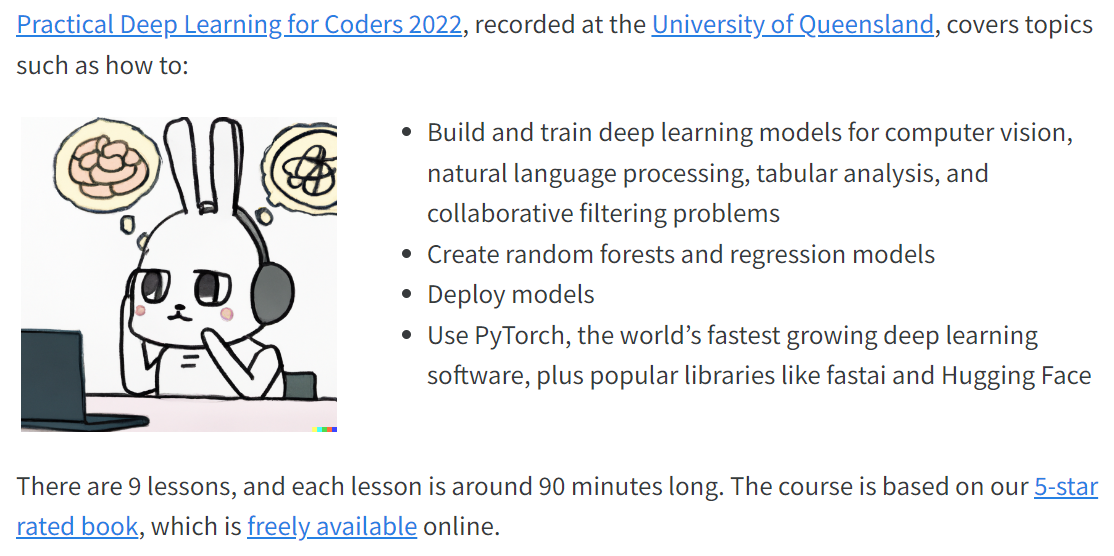
Practical Deep Learning for Coders
fast.ai

Introduction to Deep Learning
MIT

Machine Learning Crash Course
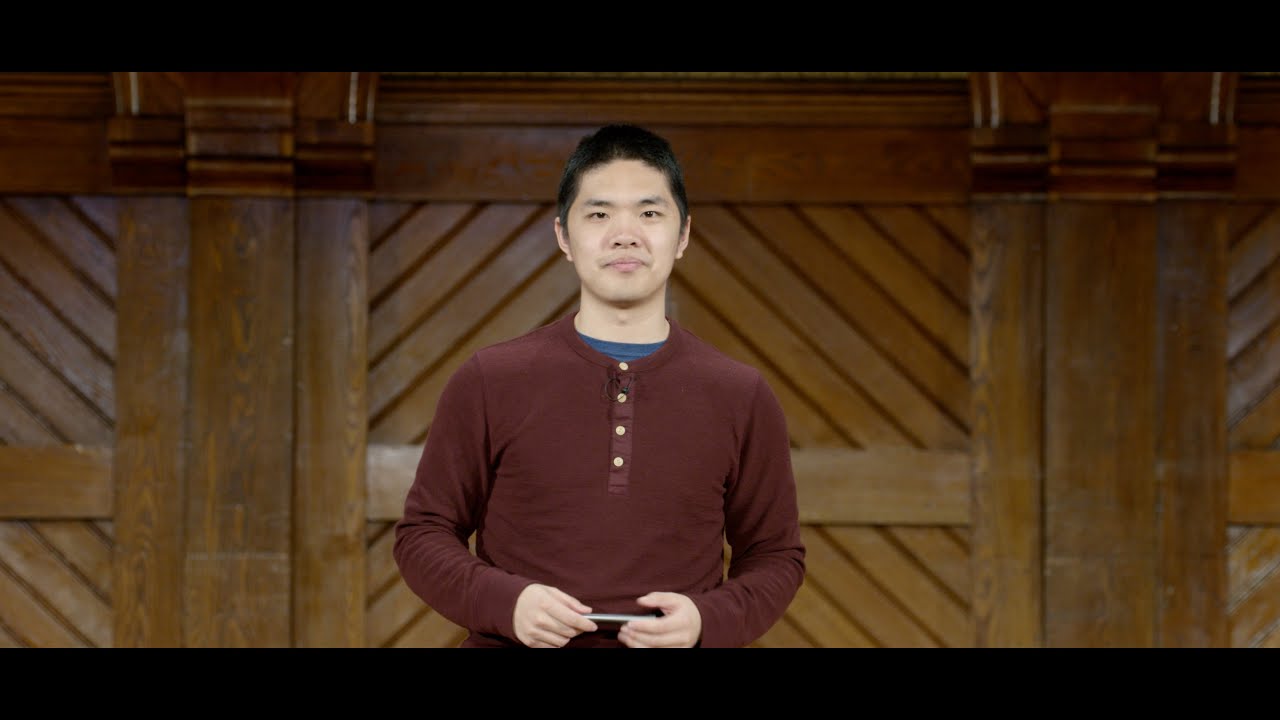
CS50's Introduction to Artificial Intelligence with Python
Harvard / edX

Generative AI with Large Language Models
Coursera

Intro to Machine Learning
Kaggle
Intro to Deep Learning
Kaggle

Intro to Machine Learning with PyTorch
Udacity
ChatGPT Prompt Engineering for Developers
DeepLearning.AI
Machine Learning Specialization
Coursera

Azure AI Fundamentals
Microsoft Learn

Elements of AI
University of Helsinki
Building Systems with the ChatGPT API
DeepLearning.AI

AI For Everyone
Coursera

Google Data Analytics Professional Certificate
Coursera

IBM Applied AI Professional Certificate
Coursera

AI Foundations for Everyone Specialization
Coursera

Mathematics for Machine Learning and Data Science Specialization
Coursera

Python Basics for Data Science
edX
Deep Learning Fundamentals with Keras
edX

Machine Learning A-Z: AI, Python & R
Udemy

Python for Data Science and Machine Learning Bootcamp
Udemy

Stable Diffusion: Complete Guide to AI Image Generation
Udemy
The Complete ChatGPT Guide: Learn Midjourney, ChatGPT & More
Udemy
Generative AI, LLMs - OpenAI API, LangChain, Hugging Face
Udemy

Complete Machine Learning & Data Science Bootcamp 2024
Udemy
How Diffusion Models Work
DeepLearning.AI
Pair Programming with a Large Language Model
DeepLearning.AI

Introduction to Generative AI Learning Path
Google Cloud

Intro to TensorFlow for Deep Learning

Google Data Analytics Certificate
Google AI Essentials
Google's Python Class
Pandas
Kaggle
Data Visualization
Kaggle
Intro to AI Ethics
Kaggle

Diffusion Models Course
Hugging Face
Machine Learning for Beginners
Microsoft
AI for Beginners
Microsoft
Generative AI for Beginners
Microsoft
IBM AI Developer Professional Certificate
Coursera

Machine Learning with Python
Coursera

Introduction to Deep Learning & Neural Networks with Keras
Coursera

AI Programming with Python Nanodegree
Udacity

Supervised Learning with scikit-learn
DataCamp
Data Scientist with Python Career Track
DataCamp
Working with the OpenAI API
DataCamp

Artificial Intelligence Foundations: Machine Learning
LinkedIn Learning
Machine Learning with Python: Foundations
LinkedIn Learning
Introduction to Generative AI
LinkedIn Learning
Deep Learning: Getting Started
LinkedIn Learning

Prompt Engineering Specialization
Coursera
Open Source Models with Hugging Face
DeepLearning.AI

Serverless LLM Apps with Amazon Bedrock
DeepLearning.AI

Google Cloud: Introduction to AI and Machine Learning
edX
Intro to SQL
Kaggle
Prompt Engineering: How to Talk to the AIs
LinkedIn Learning
Python for Data Analysis with Pandas
LinkedIn Learning
Ethics in the Age of Generative AI
LinkedIn Learning

IBM Data Science Professional Certificate
Coursera

Generative AI: Introduction and Applications
Coursera

Generative AI: Prompt Engineering Basics
Coursera
Generative AI Concepts
DataCamp

Responsible AI Principles and Practices
Microsoft Learn
Microsoft Copilot Foundations
Microsoft Learn

How Google Does Machine Learning
Coursera

Introduction to TensorFlow for AI, ML, and DL
Coursera

The Data Science Course: Complete Data Science Bootcamp
Udemy
Data Science Essentials
edX
Prompt Engineering with Llama 2 & 3
DeepLearning.AI
Building Event-Driven Generative AI Applications
DeepLearning.AI
Artificial Intelligence for Business Leaders
LinkedIn Learning

Generative AI Nanodegree
Udacity
OpenCV Python For Beginners
Udemy

Responsible AI: Applying AI Principles with Google Cloud
Google Cloud

Complete Generative AI Course With Langchain and Huggingface
Udemy

AI Product Management Specialization
Coursera
Carbon Aware Computing for GenAI Developers
DeepLearning.AI
Introduction to Generative AI Studio
Google Cloud

IBM Generative AI Engineering Professional Certificate
Coursera
OpenAI Python API Bootcamp: Build AI Apps Fast
Udemy
Understanding and Applying Text Embeddings
DeepLearning.AI

Ethics of AI
University of Helsinki
Data Cleaning
Kaggle
Intro to Programming
Kaggle

Azure OpenAI Service Fundamentals
Microsoft Learn
TensorFlow: Essential Training
LinkedIn Learning
Introduction to Statistics in Python
DataCamp
Building AI Applications with Watson APIs
Coursera
AI Ethics
Coursera
Introduction to Gemini API
Google Cloud
AWS Machine Learning Foundations
Udacity
Building with the Claude API
Anthropic
AI Fluency: Framework & Foundations
Anthropic
Anthropic's Prompt Engineering Interactive Tutorial
Anthropic
LLM University (LLMU)
Cohere
Artificial Intelligence Fundamentals
IBM SkillsBuild
Agents and Workflows (OpenAI Academy)
OpenAI
AI Foundations (OpenAI Academy)
OpenAI
Applied AI Foundations (OpenAI Academy)
OpenAI
Frequently Asked Questions
Do I need any technical skills to learn AI?
No. The courses recommended here are designed for non-technical learners. You will learn to use AI tools through their interfaces, not by writing code. Basic computer literacy is all you need.
What can non-technical professionals do with AI?
Generate and edit content, summarize documents, analyze data in plain language, automate email responses, create presentations, brainstorm ideas, and much more. AI assistants can boost productivity across nearly every role.
How is prompt engineering different from coding?
Prompt engineering is about writing clear instructions in natural language to get the best results from AI. It is more like effective communication than programming. Anyone who can write clearly can learn prompt engineering.
Will these courses become outdated quickly?
AI tools evolve fast, but the fundamental principles of prompt engineering and AI literacy remain stable. The courses listed here teach transferable skills that apply across different AI tools and versions.